
Exploring the Efficacy of Taurine Supplements: Insights from Nutrition Research
Taurine is a popular ingredient in many dietary supplements and functional foods, especially those targeting sports and exercise performance. But how effective is taurine really? Over the years, numerous nutrition research studies have sought to answer this question. As someone deeply involved in the science behind natural products, I want to share what the latest efficacy trials reveal about taurine and its potential benefits.
Understanding the Efficacy of Taurine Supplements
Taurine is a sulfur-containing amino acid found naturally in the body and in various foods. It plays several roles, including supporting cardiovascular function, muscle performance, and antioxidant defense. Because of these functions, taurine has become a common additive in supplements aimed at improving exercise capacity and recovery.
Research into the efficacy of taurine supplements focuses on how well taurine can deliver these benefits when taken in supplemental form. Studies often measure outcomes such as endurance, muscle fatigue, oxidative stress, and heart health markers.
One key aspect of these studies is the design of taurine product efficacy trial protocols. These trials typically involve controlled dosing, placebo comparisons, and specific performance or health endpoints. For example, some trials assess how taurine supplementation affects time to exhaustion during exercise or changes in blood pressure in individuals with hypertension.
The Center for Applied Health Sciences (CAHS) has been instrumental in conducting such trials, providing brands with reliable data to support their product claims. Their approach emphasizes "science that shields your claims, data that drives your profits," ensuring that taurine supplements are backed by solid evidence.
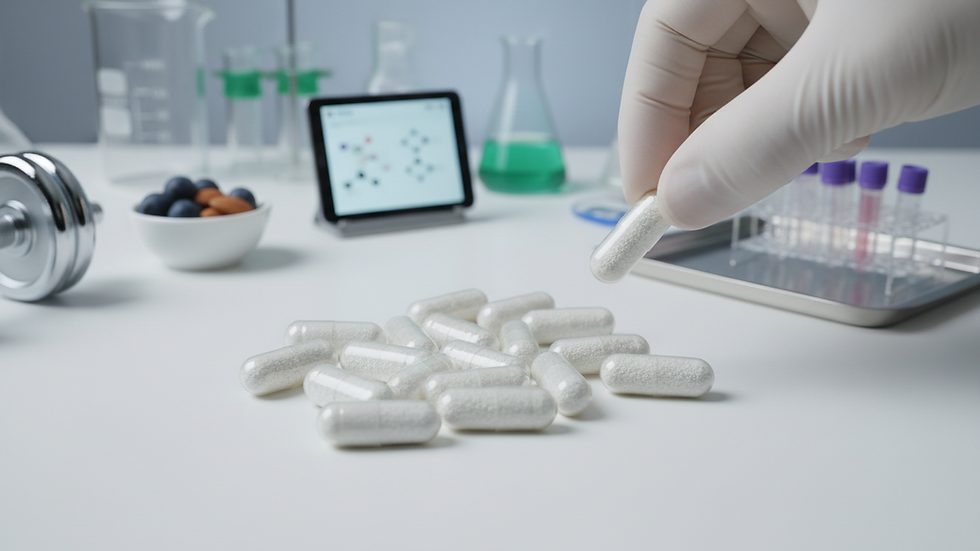
What Does Science Say About Taurine’s Benefits?
Scientific literature presents a mixed but generally positive picture of taurine’s effects. Several randomized controlled trials have demonstrated that taurine supplementation can:
Enhance exercise performance: Taurine may improve endurance by reducing muscle fatigue and enhancing calcium handling in muscle cells.
Support cardiovascular health: Some studies show taurine helps lower blood pressure and improve lipid profiles.
Reduce oxidative stress: Taurine acts as an antioxidant, protecting cells from damage during intense physical activity.
Aid recovery: Supplementation may reduce muscle soreness and inflammation after exercise.
However, the magnitude of these effects can vary depending on the dose, duration, and population studied. For instance, athletes might experience more pronounced benefits compared to sedentary individuals.
It is also important to note that taurine is generally well-tolerated, with few reported side effects at typical supplemental doses. This safety profile makes it an attractive option for functional food and supplement formulations.
What Happens If You Take Taurine Every Day?
Daily taurine supplementation raises questions about long-term safety and sustained efficacy. Research indicates that consistent intake of taurine, within recommended doses, is safe for most people. In fact, some benefits may accumulate over time.
For example, daily taurine supplementation has been linked to:
Improved heart function: Regular intake can help maintain healthy blood pressure and reduce arterial stiffness.
Enhanced metabolic health: Taurine may support glucose regulation and reduce markers of inflammation.
Better exercise adaptation: Athletes taking taurine daily might experience improved recovery and reduced oxidative damage over weeks or months.
That said, it is essential to follow dosing guidelines and consult with healthcare professionals when considering long-term supplementation. The body naturally regulates taurine levels, and excessive intake is unnecessary and unproven to provide extra benefits.

Designing Effective Taurine Product Efficacy Trials
Conducting a robust taurine product efficacy trial requires careful planning and execution. Here are some key considerations:
Clear objectives: Define what specific benefit or outcome the trial aims to measure, such as endurance improvement or blood pressure reduction.
Appropriate population: Select participants who match the target consumer group, whether athletes, older adults, or individuals with specific health conditions.
Controlled dosing: Use standardized taurine doses and ensure compliance throughout the study.
Placebo control: Include a placebo group to account for the placebo effect and ensure results are attributable to taurine.
Relevant endpoints: Choose measurable and clinically meaningful outcomes, such as time to exhaustion, blood biomarkers, or muscle soreness ratings.
Duration: Ensure the trial length is sufficient to observe effects, which may range from days to several weeks.
Data analysis: Use rigorous statistical methods to interpret results and confirm significance.
By following these principles, brands can generate credible evidence to support their taurine-containing products. This approach aligns with CAHS’s mission to provide customized research solutions that accelerate market growth.
For those interested, a detailed taurine product efficacy trial can provide the scientific validation needed to differentiate products in a competitive market.
Practical Recommendations for Brands Using Taurine
If you are developing or marketing a taurine-containing product, consider these actionable tips:
Invest in clinical research: Partner with experienced research organizations like CAHS to conduct well-designed efficacy trials.
Focus on quality: Use high-purity taurine and ensure consistent dosing in your formulations.
Educate consumers: Clearly communicate the scientifically supported benefits of taurine to build trust.
Monitor regulations: Stay updated on dietary supplement regulations to ensure compliance.
Leverage data: Use trial results to create compelling marketing materials that highlight validated claims.
By grounding your product development and marketing in solid science, you can enhance credibility and consumer confidence.
Moving Forward with Taurine Research
The landscape of taurine research continues to evolve. Emerging studies are exploring new applications, such as cognitive support and immune modulation. As research methods improve and more data become available, the understanding of taurine’s full potential will deepen.
For natural product and supplement brands, staying informed about the latest findings and investing in rigorous efficacy trials is essential. This commitment not only supports product innovation but also aligns with the growing demand for transparency and evidence-based claims.
The Center for Applied Health Sciences remains a trusted partner in this journey, offering tailored research solutions that help brands validate their taurine products and accelerate success.
Exploring taurine’s efficacy through well-conducted trials is more than an academic exercise - it’s a strategic step toward delivering products that truly benefit consumers. With science on your side, you can confidently bring taurine supplements to market with claims that stand up to scrutiny and resonate with your audience.


Comments